Who to captain, who to avoid
The Fantoss players hub tracks the 50 names that appear in 80% of fantasy XIs. Each profile lists recent form, venue splits, match-up difficulty, captain rating and injury status. Pick the profiles you want to read in depth; the lobby reflects the same data live.
At a glance
The 50 names — who shows up in every XI
Recent form, venue splits, match-up data
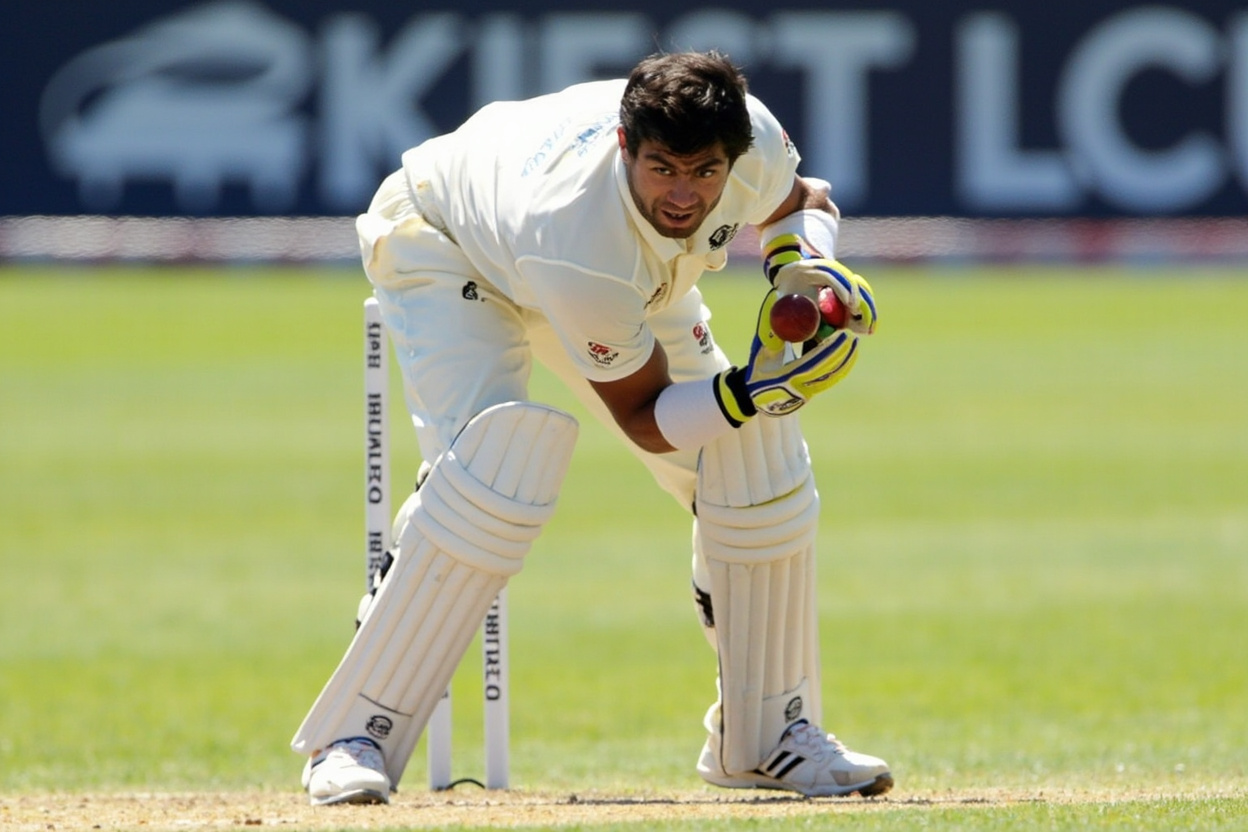
The 50 names that appear in 80% of fantasy XIs are listed on this page. Each profile includes recent form (5-innings rolling average for T20, 10-innings rolling average for ODI), venue splits (home vs away), match-up difficulty (against left-arm spin, against right-arm pace, etc.) and captain rating.
Captain rating is a number from 1 to 10 that reflects the player's expected captain value in the next match. A 9/10 captain rating means the desk would captain this player in almost every lineup; a 5/10 means the desk is split.
Injury status is updated within an hour of any official announcement. The desk verifies injury news against the franchise press release before publishing the change.
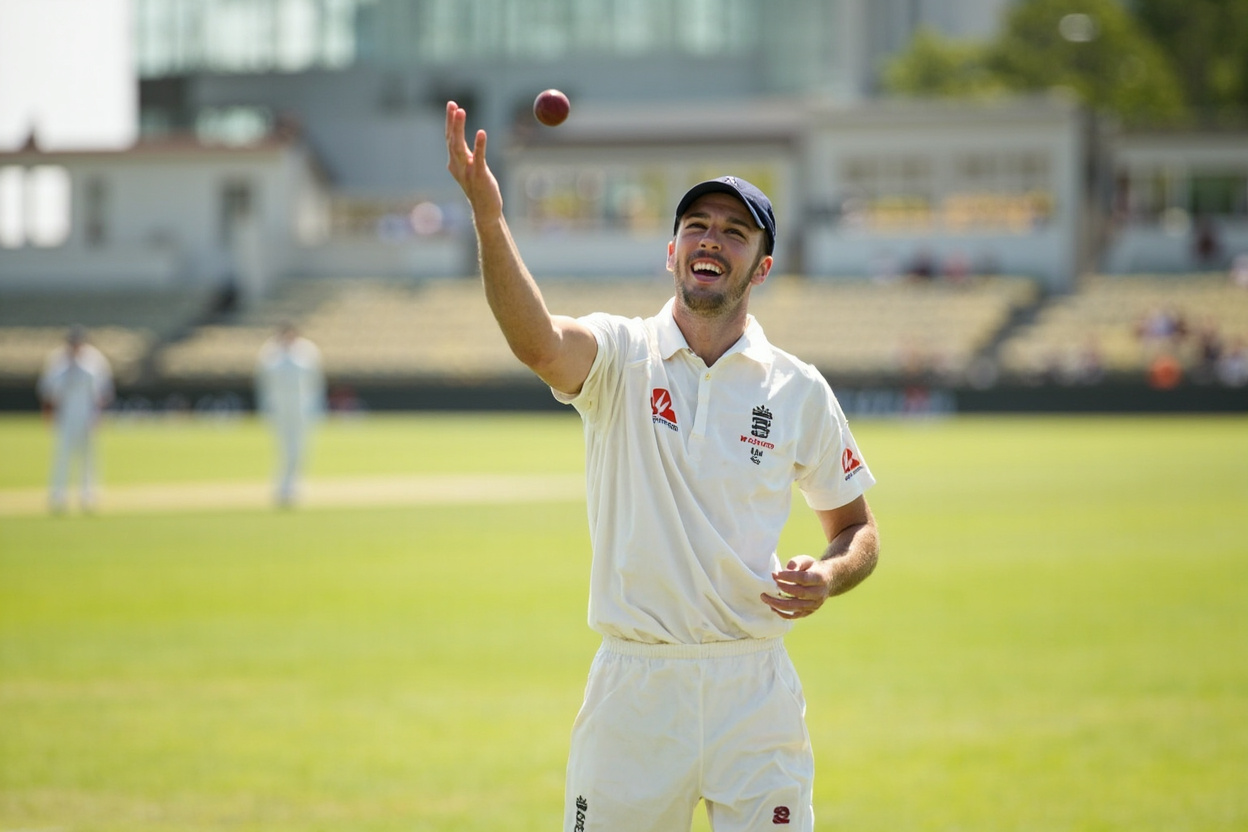
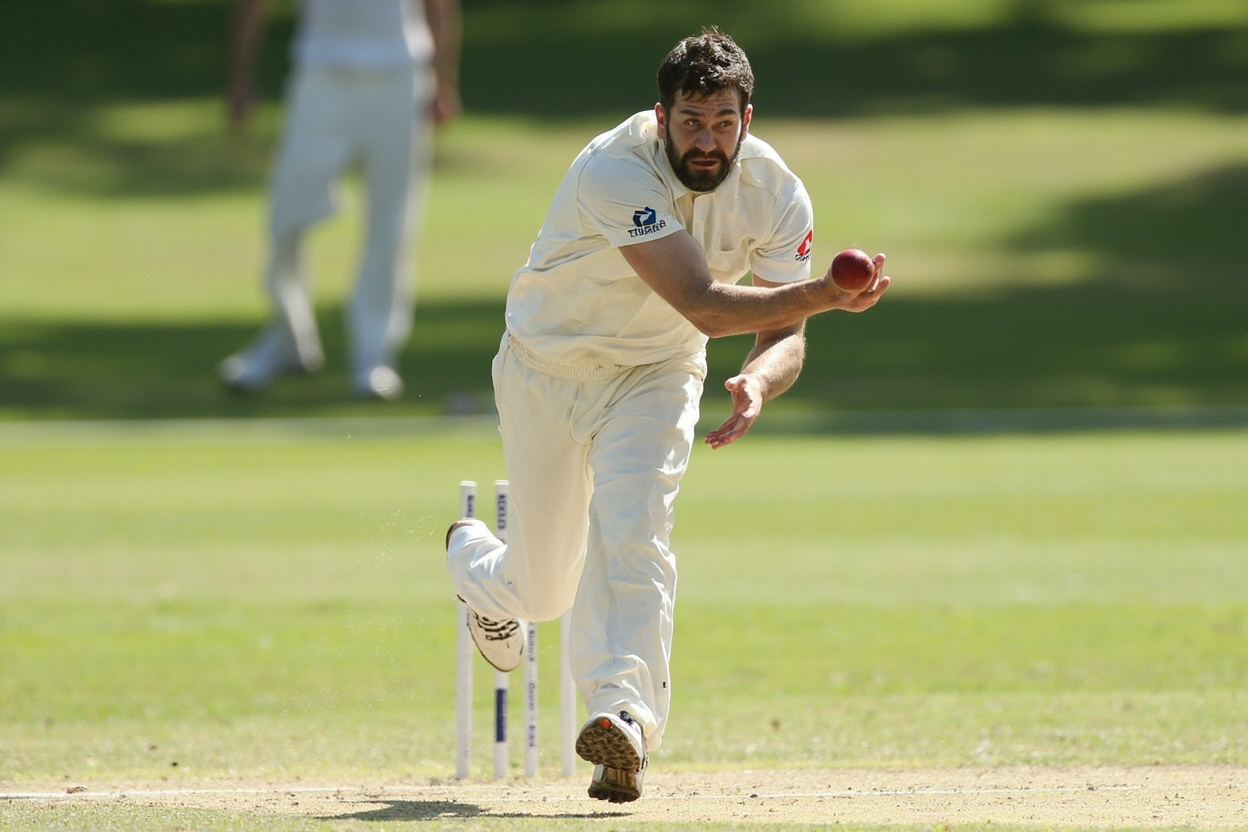
Captain rating — what the desk is thinking
Role, form, match-up, venue split
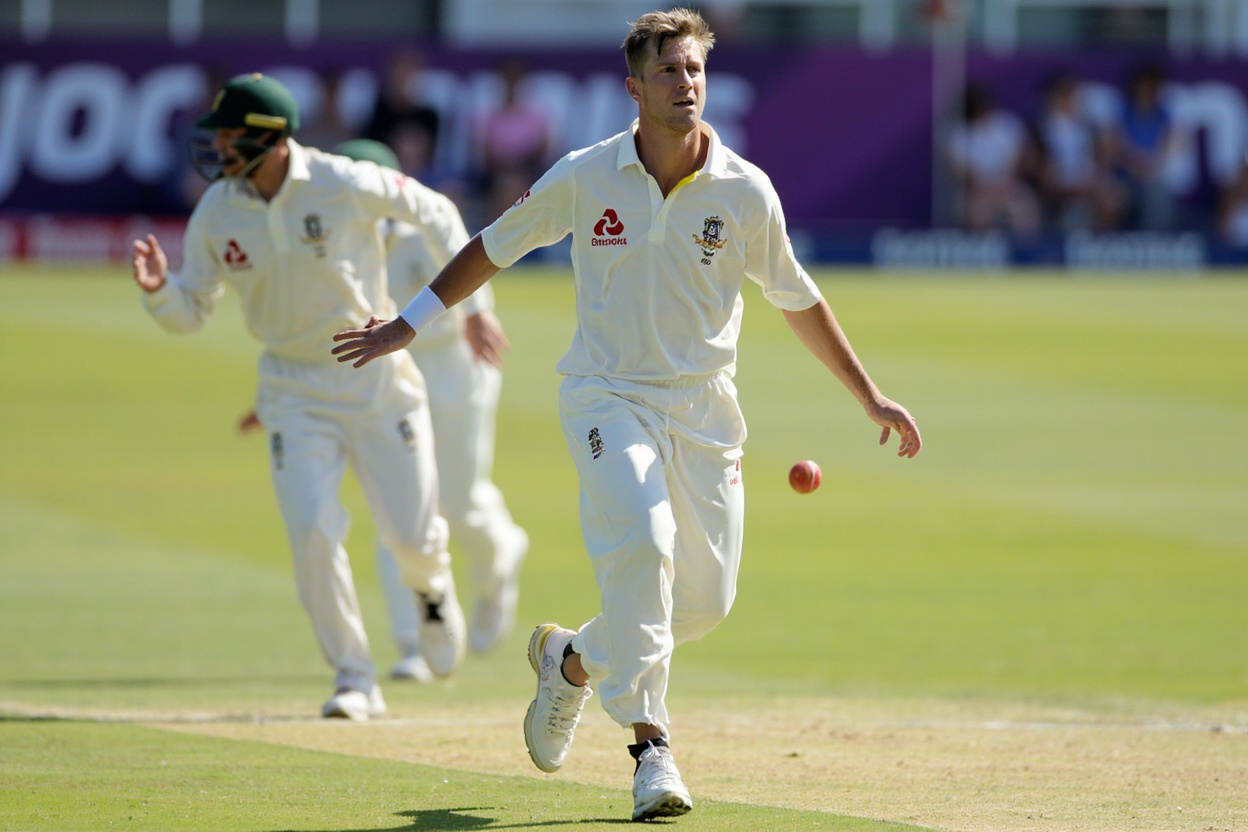
Captain rating is anchored on four variables: role, form, match-up difficulty and venue split. Role is the most important — a player whose role guarantees touches is a better captain pick than a player who may sit out a phase.
Form is the second variable. A player in form is more likely to convert role into points. The desk uses a 5-innings rolling average for T20 and a 10-innings rolling average for ODI.
Match-up difficulty and venue split are the third and fourth variables. A batter who averages 60 against left-arm spin should be captained on a turning track against a left-arm spinner. The desk cites the relevant data in the brief.
Match-up data — when to captain against a specific opponent
Splits against pace, spin, left-arm, right-arm
Match-up data is split by bowling type — left-arm pace, right-arm pace, left-arm spin, right-arm spin. The desk tracks each split for every player and surfaces the relevant split in the brief.
A batter who averages 80 against left-arm spin but 25 against right-arm pace should be captained against a left-arm spinner. The desk cites the split in the brief.
Bowling match-ups are tracked similarly. A bowler who averages 2 wickets per match against right-handers should be captained against a right-hand-heavy batting line-up. The desk cites the split in the brief.
Injury status — when to avoid a player
Verified against the franchise press release
Injury news is published within an hour of any official announcement. The desk verifies injury news against the franchise press release before publishing the change.
If a player is ruled out at the toss, the lineup auto-replaces the player with the next XI player but the captain multiplier is not transferred. This is why reading the brief matters — the brief flags likely XI changes.
Avoid captaining a player whose injury status is uncertain. If the player is ruled out after you have locked your lineup, the captain multiplier is lost. Stack the captain pick on a player whose selection is certain.
The 50 fantasy names tracked here are the ones that appear in 80% of XIs during the IPL 2026 window. Off-season the desk tracks a smaller pool — 25 names — because fantasy contests run less frequently.
Captain rating is anchored on role, form, match-up difficulty and venue split. Role is the most important — a player whose role guarantees touches is a better captain pick than a player who may sit out a phase.
Match-up splits are tracked by bowling type — left-arm pace, right-arm pace, left-arm spin, right-arm spin. A batter who averages 80 against left-arm spin but 25 against right-arm pace should be captained against left-arm spinners.
Injury status is updated within an hour of any official announcement. The desk verifies injury news against the franchise press release before publishing the change.
Avoid captaining a player whose injury status is uncertain. If the player is ruled out after you have locked your lineup, the captain multiplier is lost.
Captain rating is anchored on role, form, match-up difficulty and venue split. Role is the most important — a player whose role guarantees touches is a better captain pick than a player who may sit out a phase.
Form is the second variable. A player in form is more likely to convert role into points. The desk uses a 5-innings rolling average for T20 and a 10-innings rolling average for ODI.
Avoid captaining a player whose injury status is uncertain. If the player is ruled out after you have locked your lineup, the captain multiplier is lost. Stack the captain pick on a player whose selection is certain.
Captain rating is updated weekly. A 9/10 captain rating means the desk would captain this player in almost every lineup; a 5/10 means the desk is split between two players.
Where can I read about a specific player? Each player has a dedicated profile on the Fantoss app. The profile lists form, venue splits, match-up difficulty and captain rating.
What if my captain is ruled out at the toss? The lineup auto-replaces the player with the next XI player but the captain multiplier is not transferred. This is why reading the brief matters.
Frequently asked questions about fantasy players
Frequently asked questions
How is captain rating calculated?
Anchored on role, form, match-up difficulty and venue split. The desk cites the relevant numbers in the brief.
What is a 5-innings rolling average?
The player's average runs or wickets across the last 5 innings. Used for T20. ODI uses a 10-innings rolling average.
How often are injury updates published?
Within an hour of any official announcement. The desk verifies against the franchise press release.
What is a venue split?
The difference in a player's average at home vs away. The desk tracks venue splits for every player.
What if my captain is ruled out at the toss?
The lineup auto-replaces the player with the next XI player but the captain multiplier is not transferred. This is why reading the brief matters.
Where can I read about a specific player?
Each player has a dedicated profile on the Fantoss app. The profile lists form, venue splits, match-up difficulty and captain rating.