What fantasy cricket actually is
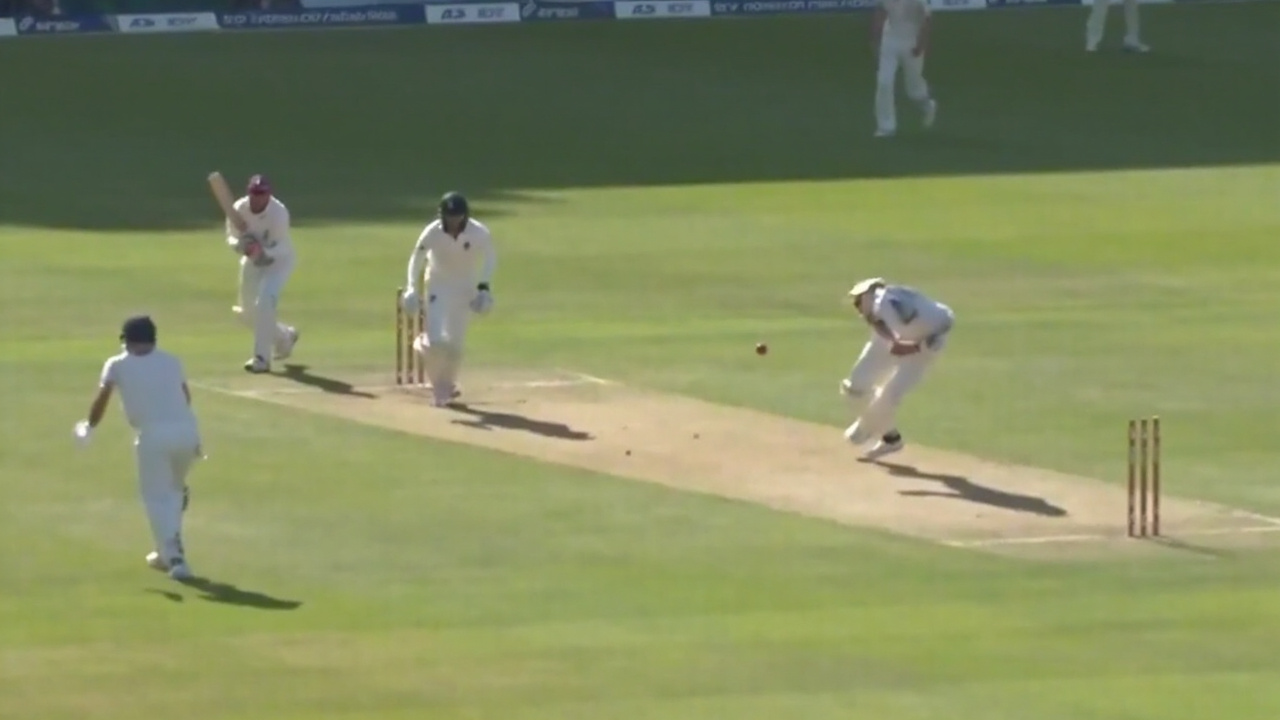
Fantasy cricket is a skill format where you pick a virtual team of real cricketers and score points based on their actual performance in a real match. The player with the most points wins. The format rewards cricket knowledge — reading form, understanding match-ups, picking the right captain — more than luck. This is what makes fantasy cricket legal under Indian skill-gaming rules and what makes it a hobby that rewards practice.
At a glance
The rules — what every contest looks like
Pick seven players, captain two, stay inside the salary cap
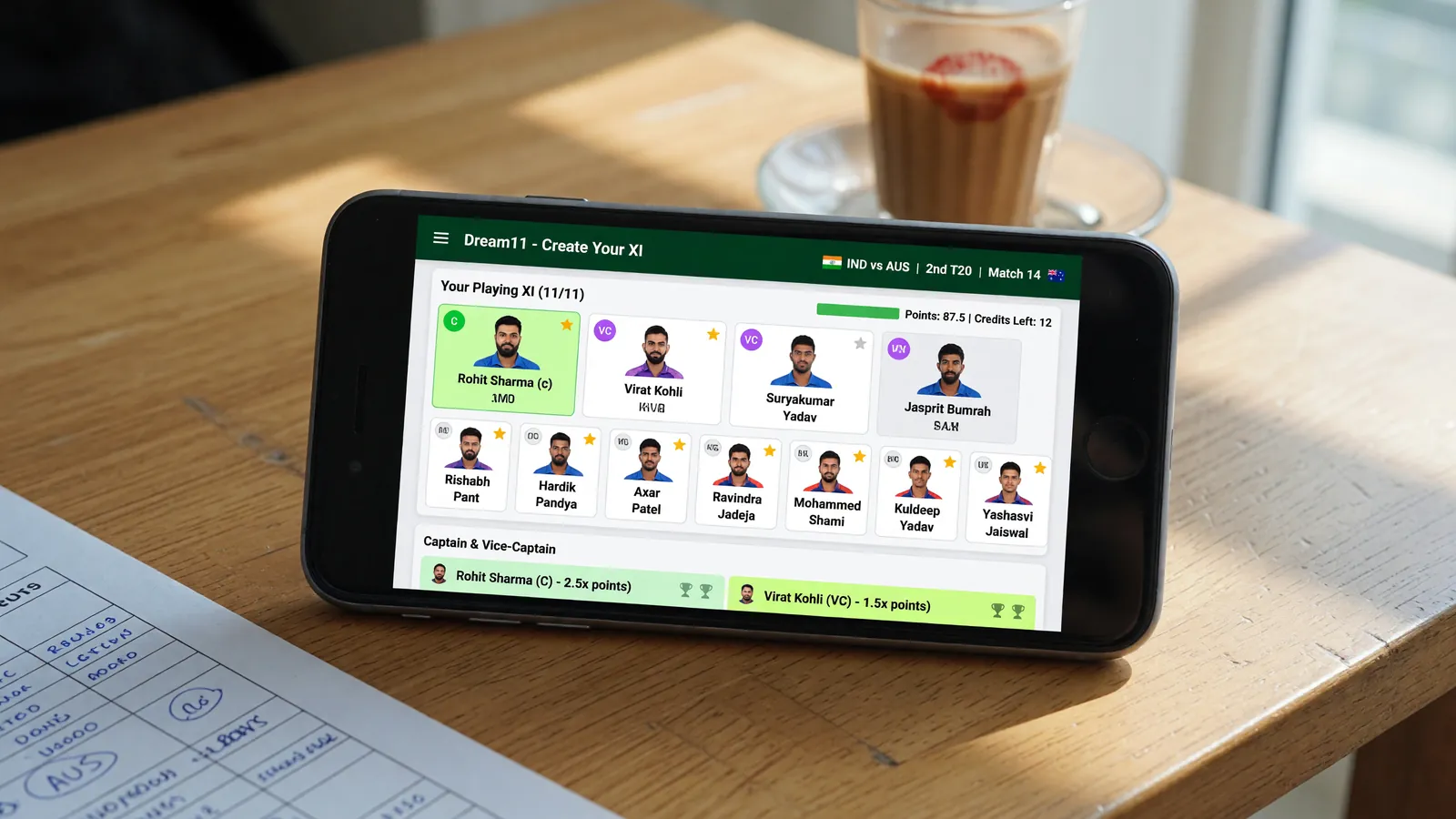
Every Fantoss contest starts the same way — you pick seven players from the playing XI of a real match. The seven players must include at least one wicket-keeper, at least one batter, at least one bowler and at least one all-rounder. The salary cap is dynamic — it reflects the current playing-XI odds published by the editorial desk.
Once you have seven players, you pick a captain (2x points) and a vice-captain (1.5x points). The captain call is the highest-leverage decision in any lineup. Choose a player whose role guarantees touches — an opener, a death-over bowler or a designated finisher.
The lineup is locked at the deadline — usually 5 minutes before the toss. After the lock, the live points feed tracks every player's contribution and surfaces the captain multiplier in the scorecard.
The Fantoss match brief lists all four variables — surface, weather, dew and toss impact — and gives the editorial desk's recommended captain pick. Read the brief before picking your XI.
A pitch read starts with the surface. Green seamers with grass on top favour the bowlers; flat decks with bare soil favour the batters. Subcontinent pitches in the first half of a Test match tend to favour the spinners; second innings tend to flatten out.
Withdrawals below ₹2,000 do not require a second-factor check. Withdrawals above ₹2,000 require email confirmation plus a device fingerprint match. The verification flow is built into the wallet and completes within 30 minutes.
The contest families
Match the contest to your edge
Fantoss runs five contest families — ₹1 practice, head-to-head, grand leagues, winner-take-all and private rooms. Each format has a different risk-reward profile. Beginners should sit at ₹1 practice or ₹10 head-to-head until the scoring system stops surprising them.
Private rooms are the friendliest format — invite a colleague or a friend, set the entry fee and prize split, and run a contest for two or twenty players. Private rooms are free of platform fees and a great way to learn the format without risking a bankroll.
Grand leagues reward consistency. The same lineup can be entered into multiple contests, including contests with different prize pools. The variance is high but the payouts are larger.
How to read a pitch before picking your XI
Surface, weather, dew, toss — these decide captain choice
A pitch read starts with the surface. Green seamers with grass on top favour the bowlers; flat decks with bare soil favour the batters. Subcontinent pitches in the first half of a Test match tend to favour the spinners; second innings tend to flatten out.
Weather is the second variable. Overcast skies help the seamers; bright sunshine helps the batters. Dew is a factor in day-night matches — the side batting second gets a wet ball that is harder for the bowlers to grip. Toss impact is real: win the toss, bowl first on a seamer; bat first on a flat deck.
The Fantoss match brief lists all four variables — surface, weather, dew and toss impact — and gives the editorial desk's recommended captain pick. Read the brief before picking your XI.
The captain multiplier — the highest-leverage decision
Default to a player whose role guarantees touches
The captain's points are multiplied by 2x and the vice-captain's by 1.5x. A wrong captain call typically swings your contest rank by 50–80 positions in a grand league. This is why the editorial desk writes about captain choice more than team selection.
Use ownership as a check, not a directive. If the obvious captain is in 60% of lineups, you need a reason to pick them, not a reason to avoid them. Differential captaincy is high-risk when the match-up data does not support it.
Avoid captaincy on all-rounders who may sit out a phase. An all-rounder who does not bowl in the powerplay and bats down the order will not guarantee enough touches to justify the captain multiplier.
Withdrawals, TDS and what your winnings actually look like
Read the wallet terms before joining a paid contest
Winnings below ₹10,000 do not attract TDS. Winnings above ₹10,000 attract TDS at 30% under Section 194BA of the Income Tax Act. The TDS is deducted at withdrawal and reflected in the wallet transaction history. The TDS receipt is downloadable as a PDF.
Withdrawals below ₹2,000 do not require a second-factor check. Withdrawals above ₹2,000 require email confirmation plus a device fingerprint match. The verification flow is built into the wallet and completes within 30 minutes.
If you withdraw the deposit before completing the bonus wagering requirement, the bonus is forfeited. Read the bonus terms before claiming. Fantoss publishes the wagering requirement inside the wallet and on the bonus terms page.
Where to start — the four moves every captain makes
Read the brief, stay inside the cap, pick captain with intent, manage the bankroll
Move one — read the match brief. The brief lists the pitch read, the toss impact, the weather and the desk's captain pick. Five minutes of reading saves hours of post-match regret.
Move two — stay inside the salary cap. The cap mirrors real-world auction economics. Pick two stars, three value picks and two differential choices who can outscore their salary.
Move three — pick captain with intent. Default to a player whose role guarantees touches — an opener, a death-over bowler or a designated finisher. Use ownership as a check, not a directive.
Move four — manage the bankroll. Set a deposit limit inside the wallet and stick to it. Increase the limit only after winning consistently, not after losing.
Fantasy cricket and the law — the skill-gaming exemption
Skill-based formats are outside the scope of the Public Gambling Act
The Public Gambling Act, 1867 governs games of chance in India. Games of skill are outside its scope. Fantasy cricket is treated as a game of skill because the outcome depends on the player's read of form, pitch, weather and match-up data.
The Online Gaming Act, 2025 provides a national framework for online real-money games. Fantoss operates within that framework. The Act requires a Self-Regulatory Body (SRB) certification for paid real-money games; Fantoss holds the certification.
A small number of states restrict paid entries. The wallet surfaces a state-restriction notice during deposit if your current state restricts paid contests. Free practice contests remain available.



Common mistakes — what trips up the first ten contests
Chasing losses, copying the leaderboard, ignoring the brief
Mistake one — chasing losses. Increase the entry fee to recover a bad day. The math does not work — variance is high, and a larger entry fee amplifies the loss. Stick to the deposit limit.
Mistake two — copying the leaderboard. The top of the leaderboard is often a high-variance lineup that got lucky. Read the brief instead of copying the leaderboard.
Mistake three — ignoring the brief. The brief is published 30 minutes before the toss. It cites the pitch read, the toss impact and the desk's captain pick. Skipping the brief forfeits the highest-leverage information in any contest.
Frequently asked questions about fantasy cricket
Frequently asked questions
Is fantasy cricket legal in India?
Fantasy cricket is a game of skill and is legal in most Indian states. A small number of states restrict paid entries; the wallet surfaces the restriction automatically.
How much does it cost to enter a contest?
The Fantoss lobby starts at ₹1 for single-match contests. New accounts get a free practice contest before any deposit is required.
What is the captain multiplier?
Captain's points are multiplied by 2x; vice-captain's by 1.5x. The captain call is the highest-leverage decision in any lineup.
How are winnings withdrawn?
Winnings move to your verified wallet and can be withdrawn via UPI or bank transfer after PAN verification. TDS applies above ₹10,000 under Section 194BA.
Can I delete my account?
Yes. Open the profile, choose Delete Account, complete the verification and the account is closed within 7 working days as required by the DPDP Act 2023.