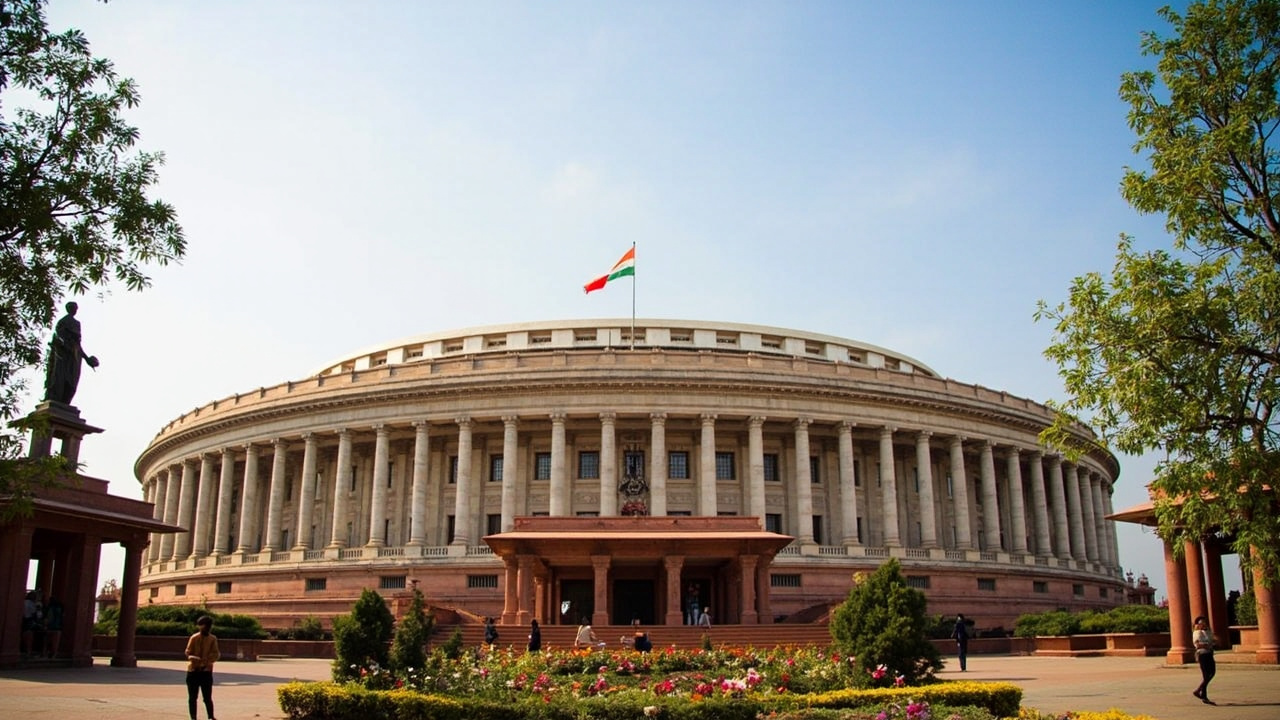
What 'legal' means for a fantasy-cricket app
Fantasy cricket is a skill-based format — the outcome depends on the player's reading of form, pitch, weather and match-up data, not on chance alone. This puts it under the skill-gaming exemption that most Indian states follow. A small number of states restrict paid entries; the rest allow them under the Public Gambling Act, 1867 and the Online Gaming Act, 2025. This page lists every verified state rule and the MeitY position.
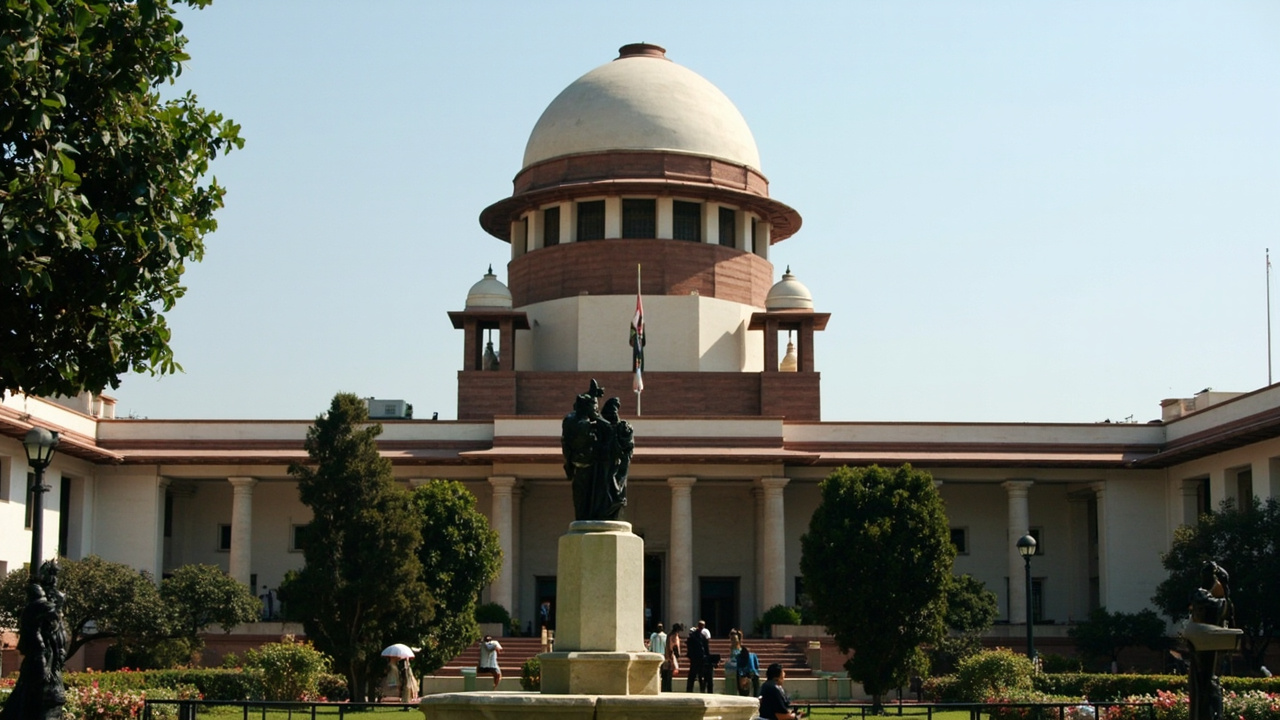
The skill-gaming exemption — what it covers
The skill-gaming exemption is the legal foundation for paid fantasy cricket in India. Because the outcome depends on the player's skill — selection, captaincy, salary-cap math — the format is treated as a game of skill, not a game of chance. Games of skill are outside the scope of the Public Gambling Act, 1867.
Fantoss contests are structured around skill: the lineup builder, the salary cap, the captain multiplier. The free practice contest uses the same scoring engine as paid contests — what you learn in the free contest applies directly to paid entries.
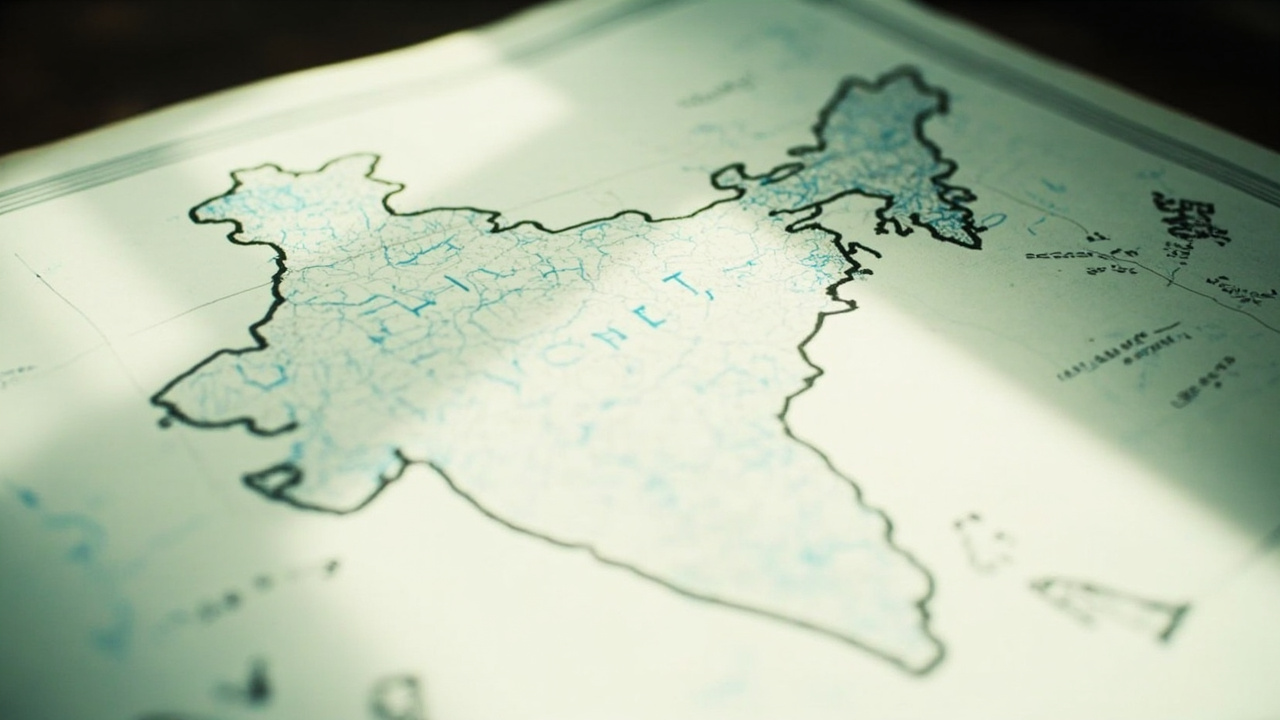
States that allow paid fantasy cricket
Most Indian states allow paid fantasy cricket: Andhra Pradesh (post-2020 ordinance), Assam, Bihar, Delhi, Goa, Gujarat, Haryana, Himachal Pradesh, Jharkhand, Karnataka, Kerala, Madhya Pradesh, Maharashtra, Manipur, Mizoram, Odisha (with restrictions), Punjab, Rajasthan, Tamil Nadu (with restrictions), Telangana (with restrictions), Tripura, Uttar Pradesh, Uttarakhand, West Bengal.
Always verify the current state rule before joining a paid contest — the editorial desk updates this list monthly and the wallet surfaces a state-restriction notice during deposit if your current state restricts paid contests.

States that restrict paid fantasy cricket
A small number of states restrict paid fantasy entries: Andhra Pradesh (some districts), Telangana, Assam, Odisha, Sikkim, Nagaland, Meghalaya. The restrictions range from a complete ban on paid entries to a licensing requirement that no fantasy app currently meets.
Fantoss automatically blocks paid entries from restricted states. The wallet surfaces a state-restriction notice and the free practice contest remains available. If you travel to a restricted state, the wallet re-checks your location at sign-in.
The MeitY advisory and the Online Gaming Act, 2025
The Ministry of Electronics and Information Technology (MeitY) issued an advisory in 2020 requiring fantasy apps to comply with state rules and verify user identity. Fantoss complies with both — PAN verification is mandatory for withdrawals above ₹10,000 and Aadhaar-based eKYC is available for faster onboarding.
The Online Gaming Act, 2025 provides a national framework for online real-money games. Fantoss operates within that framework. The Act requires a Self-Regulatory Body (SRB) certification for paid real-money games; Fantoss holds the certification for the formats offered on the platform.
What this means for a paid contest entry
If your state allows paid fantasy cricket, you can deposit, enter paid contests and withdraw winnings via UPI or bank transfer. Winnings above ₹10,000 attract TDS at 30% under Section 194BA.
If your state restricts paid contests, the wallet blocks paid entries but the free practice contest remains available. You can still read the editorial desk's match briefs, follow the captain picks and build lineups for free.
Verifying your local rule before a paid entry
Open the wallet, choose Deposit. If your current state restricts paid contests, the wallet surfaces a notice before the deposit flow. The notice cites the relevant state rule.
If you are travelling, the wallet re-checks your location at sign-in. The state rule applies to the state you are signing in from, not the state on your PAN.
Frequently asked questions
Is Fantoss legal across India?
Fantoss is legal in every state that allows paid fantasy cricket. A small number of states restrict paid entries; the wallet surfaces the restriction automatically.
Does Fantoss pay TDS on winnings?
Yes. Winnings above ₹10,000 attract TDS at 30% under Section 194BA. The TDS is deducted at withdrawal and reflected in the wallet transaction history.
What is the SRB certification?
The Self-Regulatory Body (SRB) is a body recognised under the Online Gaming Act, 2025 that certifies online real-money games. Fantoss holds the SRB certification for the formats offered on the platform.
Can I play from Tamil Nadu?
Tamil Nadu has a partial restriction. Free practice contests are available; paid entries may be blocked depending on your district. The wallet surfaces the rule automatically.
Can I play from Andhra Pradesh?
Andhra Pradesh has a partial restriction. Free practice contests are available; paid entries may be blocked depending on your district. The wallet surfaces the rule automatically.
What happens if I move states?
The wallet re-checks your location at sign-in. If you move from a state that allows paid contests to one that restricts them, paid entries are blocked. Free practice contests remain available.