Why ownership bias matters
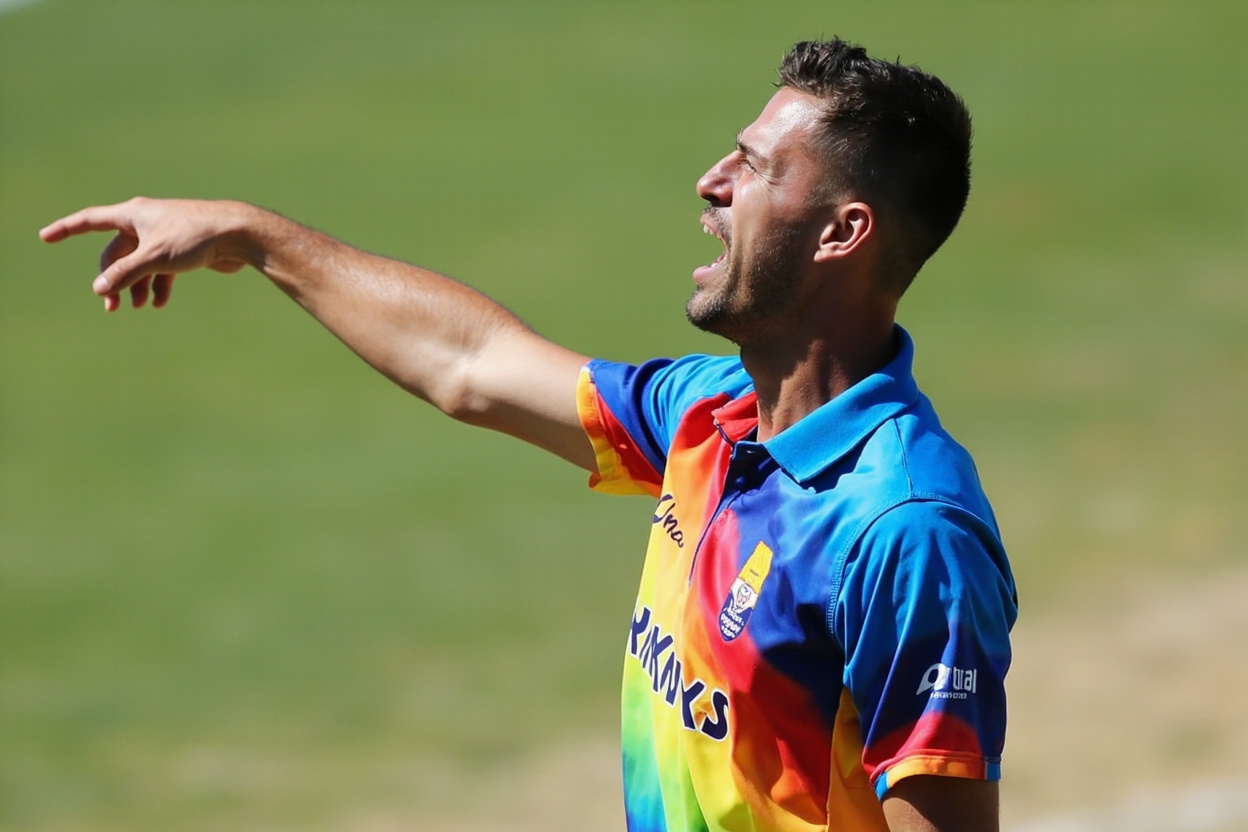
Most fantasy players anchor their captain pick on ownership — they pick the player who is in 60% of lineups because 'everyone else is picking him'. This is ownership bias. The right approach is to anchor the captain pick on role, form, match-up and venue split — and use ownership as a check, not a directive. These twelve rules walk through each variable.
At a glance
Rule 1 — Anchor on role, not form
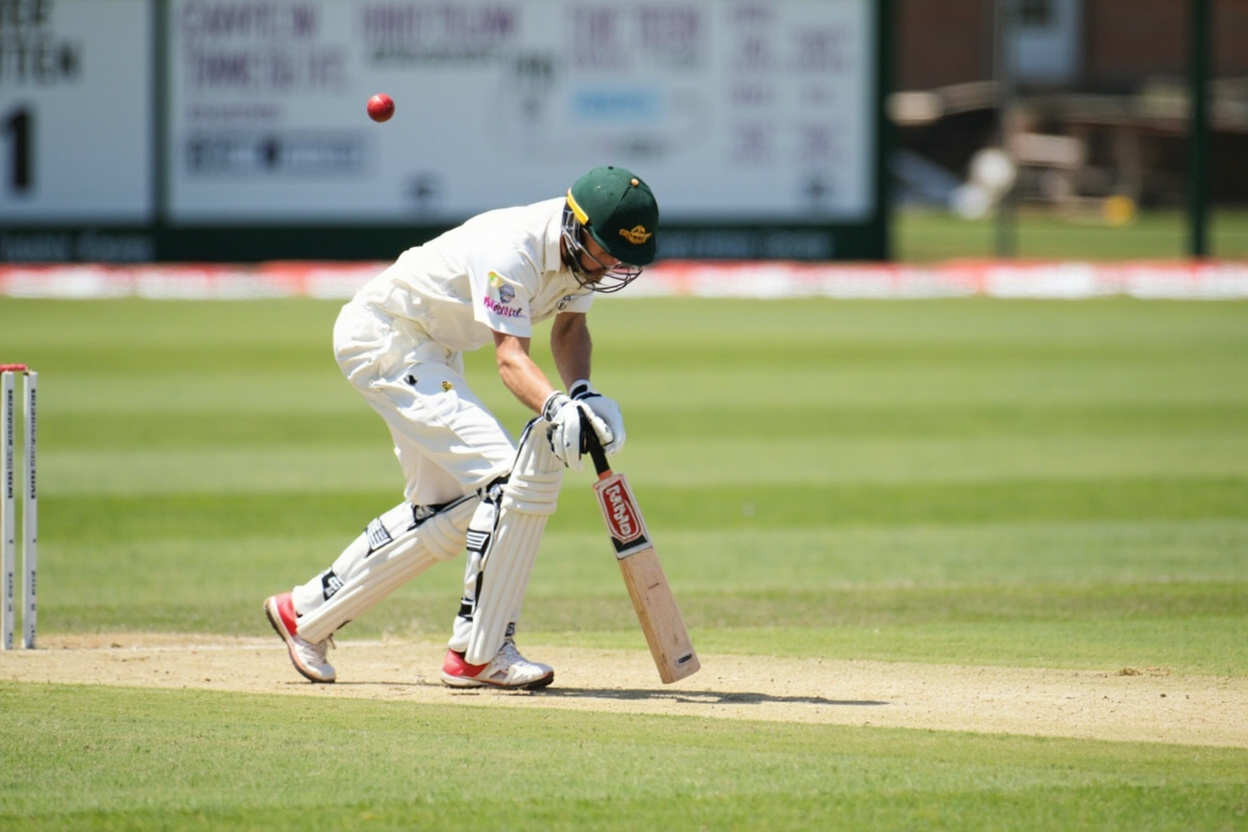
A player in form who does not bat in the top six is a worse captain pick than an out-of-form opener. Role is the most important variable in the captain pick. Worked example from IPL 2025: an in-form middle-order batter captained in 60% of lineups scored 22 — a 22-point contribution with the 2x multiplier = 44 points. An out-of-form opener captained in 12% of lineups scored 89 — a 178-point contribution.
Role beats form because role guarantees touches. Openers face a guaranteed number of balls; death-over bowlers bowl a guaranteed quota. Form is the second variable, not the first.
Choosing the same role for captain and vice-captain is a mistake — both picks will score in the same phase, not across the match.
Differentials need match-up data. The desk cites the relevant match-up data in the brief — read it before locking the captain pick.
A 60% ownership captain with a 7/10 captain rating is a fine pick; a 20% ownership captain with a 9/10 captain rating is also a fine pick. Anchor on the rating, not the ownership.
Anchor on role, form, match-up and venue split — and use ownership as a check, not a directive. The right approach is to anchor the captain pick on the rating, not the ownership.
These twelve rules will sharpen your captain pick logic. Worked examples from the last IPL season illustrate each rule with concrete point totals and contest-rank movements.
Rule 2 — Use ownership as a check, not a directive
If the obvious captain is in 60% of lineups, you need a reason to pick them, not a reason to avoid them. Ownership is a signal, not a strategy. A 60% ownership captain with a 7/10 captain rating is a fine pick; a 20% ownership captain with a 9/10 captain rating is also a fine pick. Anchor on the rating, not the ownership.
Worked example from IPL 2025: a 55% ownership captain with a 7/10 rating scored 22 — a 44-point contribution. A 15% ownership captain with a 9/10 rating scored 89 — a 178-point contribution. Ownership and captain rating diverge.
Rule 3 — Differentials need match-up data
A differential captain pick (under 20% ownership) is high-risk unless the match-up data supports it. Worked example: a differential captain pick in IPL 2025 with strong match-up data (averaged 80 against the opposing spinner) scored 92 — a 184-point contribution. A differential captain pick with weak match-up data (averaged 25 against the opposing spinner) scored 18 — a 36-point contribution.
Differentials need match-up data. The desk cites the relevant match-up data in the brief — read it before locking the captain pick.
Rule 4 — Vice-captain is not the second-best pick
Vice-captain is a 1.5x multiplier. Choose a player whose role guarantees touches in a different phase. Worked example: captain the opener, vice-captain the death-over bowler. The opener guarantees powerplay touches; the death-over bowler guarantees death-over wickets. The two picks cover different phases of the match.
Choosing the same role for captain and vice-captain is a mistake — both picks will score in the same phase, not across the match.
Rule 5 — Avoid captaincy on impact players
The impact-player rule (IPL only) allows a substitution. If your captain is the likely impact-player substitute, the captain multiplier may not apply. Worked example from IPL 2025: an all-rounder was captained in 35% of lineups but the franchise substituted him out at the toss. The captain multiplier was lost; the lineup scored 0 from the captain slot.
Avoid this risk. Read the brief and flag the impact-player list before locking the captain pick.

Most fantasy players anchor their captain pick on ownership — they pick the player who is in 60% of lineups because everyone else is picking him.
What is ownership bias? Anchoring the captain pick on ownership rather than on role, form, match-up and venue split. The bias leads to picking the player who is in 60% of lineups because everyone else is picking him.
How do I beat ownership bias? Anchor the captain pick on role, form, match-up and venue split. Use ownership as a check, not a directive.
What is a 9/10 captain rating? The desk's confidence in the captain pick relative to the alternative.
What is the vice-captain rule? Vice-captain is a 1.5x multiplier. Choose a player whose role guarantees touches in a different phase.
What is the impact-player rule? Each team can substitute one player from a list of four substitutes at any point during the match.
Where can I read more captain-pick rules? The Captain picks hub lists the twelve rules with worked examples from the last IPL season.
Frequently asked questions
What is ownership bias?
Anchoring the captain pick on ownership rather than on role, form, match-up and venue split. The bias leads to picking the player who is in 60% of lineups because 'everyone else is picking him'.
How do I beat ownership bias?
Anchor the captain pick on role, form, match-up and venue split. Use ownership as a check, not a directive. Read the desk's brief before locking the captain pick.
What is a 9/10 captain rating?
The desk's confidence in the captain pick relative to the alternative. A 9/10 means the desk would captain this player in almost every lineup; a 5/10 means the desk is split.
What is the vice-captain rule?
Vice-captain is a 1.5x multiplier. Choose a player whose role guarantees touches in a different phase — e.g. captain the opener, vice-captain the death-over bowler.
What is the impact-player rule?
Each team can substitute one player from a list of four substitutes at any point during the match. The desk flags likely impact-player swaps in the brief.
Where can I read more captain-pick rules?
The Captain picks hub lists the twelve rules with worked examples from the last IPL season.